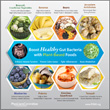
 Those of you who have been with me for a while know that I am a big fan of Meredith McCarty, a Diet Counselor and Nutrition Educator, a macrobiotic counselor and a vegan (dairy-free vegetarian) cooking instructor. She has her own website and I wanted to share with you her most recent e-newsletter. Meredith has written several cook books, offers group and personalized nutrition and cooking classes and is an inspiration whether you eat macrobiotic food or not. Here is her book review of “Seven Foods to Supercharge Your Gut Bacteria” by Meghan Jardine, which identifies broccoli, bananas, beans, Jerusalem artichokes, blueberries, polenta, kimchie (sauerkraut) and tempeh as being the seven plant-based foods that promote a healthy gut bacteria which enhances immune function, prevent colon cancer, fight inflammation and boost metabolism. Perfect summer reading for the beach! Come and cook with us!
Healthy Gut Bacteria Diet
“Did you know we are only 10% human? 90% of our cells are nonhuman, microbial cells. Since our diet influences our microbes, it’s true: We really are what we eat. The good news is that you can cultivate a new microbiota, formerly known as gut flora, in just 24 hours—by changing what you eat. Bacteria that live in our intestinal tract flourish off of colorful, plant-based foods.”
Healthy intestinal bacteria help “our bodies digest and absorb nutrients, synthesize certain vitamins, and rally against intruders, such as influenza and toxic cancer-forming carcinogens. In addition to boosting our immune system, microbiota sends messages to our brain and helps regulate metabolism. Over time, microbiota forms colonies to combat obesity, type 2 diabetes, heart disease, autoimmune disease, and even certain forms of cancer.
“The bottom line: The more diversity you have in your gut bacteria, the better off you’ll fare in the long run.” Here are three foods to focus on:
Fermented plant-based foods such as sauerkraut, kimchi, tempeh, soy sauce/tamari/miso (and I would add whole-grain sourdough bread):
These foods “directly inoculate your gut with healthy live micro-organisms that will crowd out the unhealthy bacteria, improve the absorption of minerals, and improve overall health. They are probiotics that have been found to improve the health of the intestinal cells, improve immune function, decrease allergies, reduce the risk of colon cancer, and treat diarrhea.”
Broccoli and other cruciferous vegetables such as kale, cabbage and cauliflower:
“Cruciferous vegetables contain sulfur-containing metabolites, known as glucosinolates, which are broken down by microbes to release substances that reduce inflammation and reduce the risk of bladder, breast, colon, liver, lung, and stomach cancer…Studies show people who eat the most leafy greens reduce their risk of colorectal cancer by 18%.”
Beans
“Any legume will help release short-chain fatty acids (SCFA) that strengthen your intestine cells, improve absorption of micronutrients, and help with weight loss. Beans feed good gut bacteria, which in turn revs up your immune system. Calorie for calorie, beans offer the most nutrition bang for your buck. They are packed with fiber, protein, folate, and B vitamins, which play a role in regulating a healthy gut and a healthy brain. Researchers from Toronto just published a study in the journal Obesity that finds beans (pulses) improve weight loss by enhancing satiety.”
The four other foods that enhance a healthy gut bacteria are: polenta, blueberries, bananas and Jerusalem artichokes.
Source: “Seven Foods to Supercharge Your Gut Bacteria” by Meghan Jardine, MS, MBA, RD, LD, CDE, and associate director of diabetes nutrition education at Physicians Committee for Responsible Medicine, a nonprofit organization dedicated to promoting effective medical practice, higher standards in research, and preventive nutrition, www.pcrm.org




 Come and Cook with Us