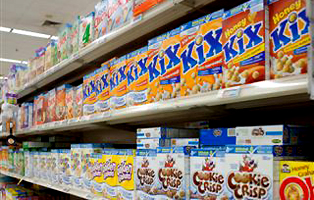
 Here’s an interesting piece of information: almost one quarter of all food and beverage ads viewed by children ages 2 to 11 were for cereals. This is according to the Rudd Center for Food Policy and Obesity, who, in 2009 issued a study called Cereal FACTS documenting the poor nutritional quality coupled with heavy marketing of sugar cereals to children, and challenged cereal manufacturers to do something to change this pattern. They’ve issued a follow-up study this year citing research that found not enough has changed. While some manufacturers have reduced salt and sugar in their products, total media spending to promote child-targeted cereals has increased by 34% and cereal companies continue to aggressively market their least nutritious products directly to children. We often say breakfast is the most important meal of the day, but surely not if it contains one spoon of sugar for every three spoons of cereal. Read on to learn more about the Center’s research. Come and cook with us!
The original study in 2009 found that cereals marketed to children contained 85% more sugar, 65% less fiber, and 60% more sodium than products marketed to adults. Furthermore, an average preschooler viewed 1.7 cereal ads on TV every day. And nine of the ten cereals most frequently advertised to children were also found to be among nine of the ten advertised cereals with the poorest nutrition ratings: Cinnamon Toast Crunch, Lucky Charms, Honey Nut Cheerios, Froot Loops, Reese’s Puffs, Trix, Pebbles, Cocoa Puffs and Cookie Crisp. Do you know those names? I do. I see them on TV every day.
Unfortunately, while cereal companies expressed a commitment to be part of the solution to childhood obesity by promising to enhance the nutritional profile of the cereals they market to children, the 2012 study indicated that small improvements in the nutrition content of children’s cereals coupled with aggressive marketing of these still unhealthy products to children as young as two years old won’t do the trick. Obesity remains a major problem in this country, and I still know that “silly Rabbit, Trix are for kids!” What we need to do – as parents – is help our children make the right choices in the face of contrary evidence. Talk to your kids about healthy food choices, about hidden marketing, and the impact that bad foods have on their health but keep in mind that very often reasoning will get you nowhere, so you will just have to say no. One way to do that is to take a lesson from my husband’s family: an only child, he was allowed to chose one sugary cereal box a year. Way to make breakfast healthy!
The Rudd Center study is full of facts that will convince you that your kids shouldn’t be allowed to make breakfast choices based on a rabbit, Fred Flintstone, or being cuckoo for Cocoa Puffs. Take a look and tell us what you think. Come and cook with us!
Share this:


 Come and Cook with Us