 We are constantly bombarded with messages on what foods we should eat to stay healthy and sometimes it can be difficult to make the right choices in front of so many options. It may help to have a list of what nutritionists consider nutrient-rich foods. When it comes to health, these foods are just higher achievers than others and I’m happy to report that we have already posted on many of them. Hopefully this provides for a little inspiration to try some of the recipes. Come and cook with us!
Fruit and Vegetables:
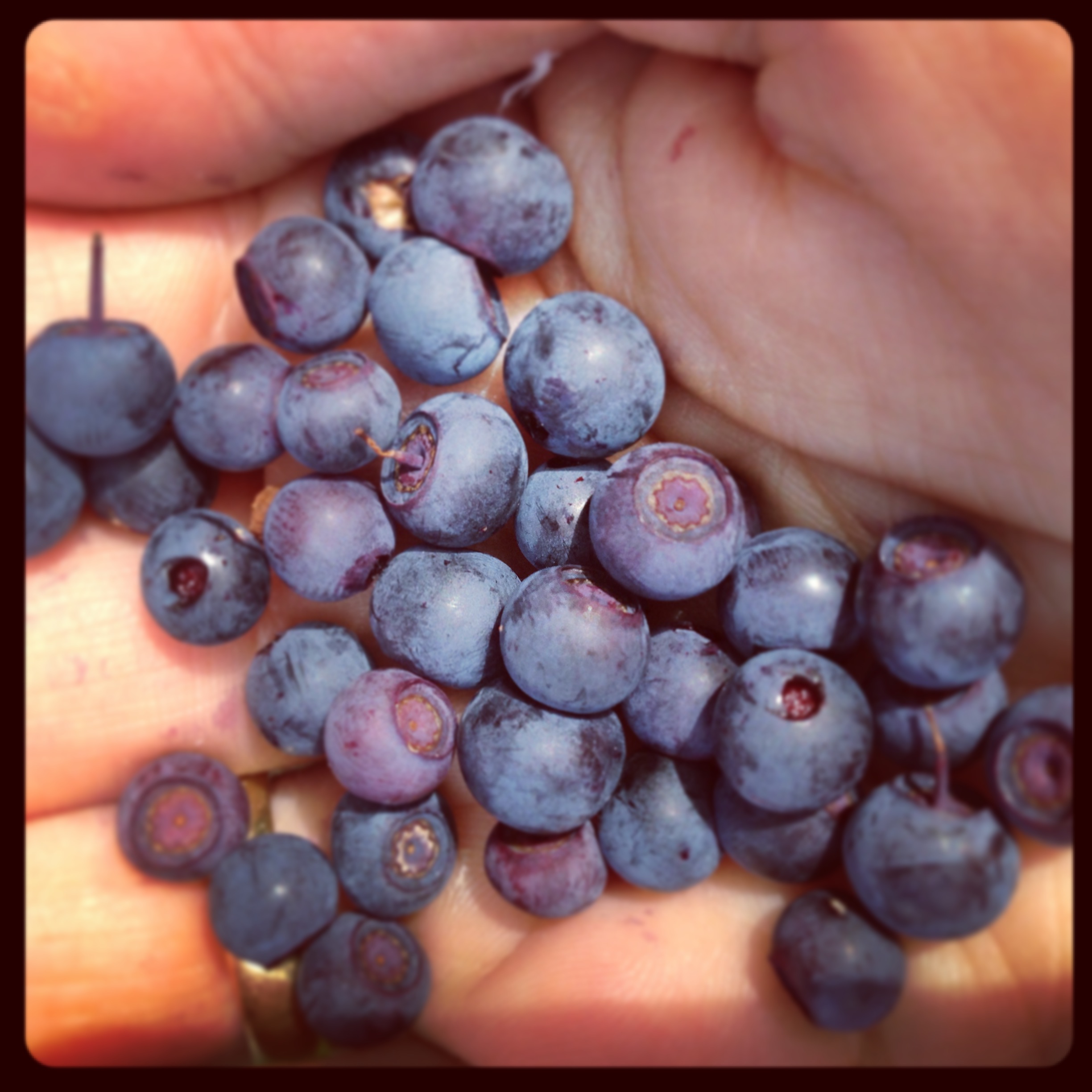
Blueberries: It’s all about eating the rainbow. These little berries are rich in flavanoids, which studies show may enhance the areas of memory and learning. Flavonoids also have anti-inflammatory properties that may reduce stress and disease. So add some blueberries to your daily diet and choose organic ones if your budget permits.
Dark Leafy Greens: When it comes to nutrient-rich foods, dark leafy greens are a must. Each one has its own distinct mix of nutrients, so aim at eating a variety including spinach, kale, collards and Swiss chard. Hopefully at least some of these nutrient powerhouses packed with vitamin C, E and K, as well as folic acid, calcium, potassium and fibre pique your interest. Please keep in mind that kale and collard greens have been added to the most recent list of Dirty Dozen Plus by the Environmental Working Group’s (EWG’s) Shopper’s Guide to Pesticides in Produce, so go organic!
Sweet Potatoes: Despite my family’s dislike, sweet potatoes were ranked as the most nutritious vegetable by the Washington, D.C.-based Center for Science in Public Interest in their mix of high dietary fibre and protein with high levels of vitamin A and C. Sweet potatoes have several times more polyphenols than white spuds, which may help boost the immune system, slow aging and ward off disease. Now that’s what I call a nutrient-rich food!
Nori: More than just a wrap used for fish and rice, edible seaweed is packed with iodine, iron and vitamin A, B and K. Nori is also rich in protein and dietary fibre and low in calories. So grab yourself a nori sheet, pack it with some rice and healthy fillings and you’re off to the nutrient-rich races.
Meat & Alternatives
Salmon: The omega-3 fats found in fatty fish help prevent cardiovascular disease, cancers and a host of inflammatory illnesses. Additionally, it may make your bones be stronger and thus lower your risk of osteoporosis. Look for wild caught Pacific salmon and visit the Monterey Bay Aquarium Seafood Watch to learn more about sustainable fish choices.
Sunflower seeds: These seeds are rich in vitamins E, B, folate, zinc, iron and selenium. They have powerful anti-inflammatory properties and promote healthy digestion. Eating sunflower seeds can even help ward off a cold by supporting the immune system. It’s a delicious snack and can provide hours of fun for little hands when picking the seeds off the flower head.
Diary
Yogurt: You know we love it! Rich in protein, calcium, vitamin B2 (a.k.a., riboflavin) and B12, potassium and magnesium, yogurt can help make your bones stronger, may lower your risk of high blood pressure and improve the health of your gastrointestinal tract. The probiotics found in plain full-fat yogurt may change the way the body absorbs fat, making it easier to lose weight. Make sure to stay away from the sweetened kind by sticking to the plain organic version.
Milk: It’s high in protein and Vitamin B12 and D, and it might make you smarter as was shown in a study linking Nobel prize winners with milk consumption. Research led by Cardiff University, published in 2009, found that regular milk consumption may decrease the risk of dying from diseases such as colorectal cancer, coronary heart disease and stroke by up to 20 percent.
Grains
Quinoa: Quinoa has been my go-to grain for a while. It cooks quickly, is versatile and keeps well. In fact, the UN declared 2013 the International Year of Quinoa. High in protein and fibre and low in cholesterol and sodium, quinoa is one of the healthiest grains around (although it’s technically a seed.) It’s also high in magnesium, manganese, phosphorus and antioxidants. So make a batch of quinoa today and use it for your salads, vegetable bowls, minestrone soups and morning pancakes.
Barley: One of the more popular cereals back home in Italy, barley has long been used as an anti-inflammatory, soothing the intestines and urinary tract. It’s mineral-rich with high levels of calcium and also contains potassium and vitamin B. Similar to oats, barley is high in fibre which may help lower cholesterol levels and may help fend off insulin resistance and metabolic syndrome. One of the ways we like to use it is to stuff sweet (organic) bell peppers.
There are so many healthy food choices out there and I like to have this list in the back of my mind to ensure that what I pick at the grocery store gives me the biggest bang for my buck, at least nutrition-wise. Let us know if you have an favorite recipes using these nutrient-rich foods and get busy in the kitchen. Come and cook with us!

 Come and Cook with Us
One thought on “Nutrient-Rich Foods”