What’s a Prebiotic?

IMG_6125One of the many reasons I like my yoga practice is that I find myself surrounded by like-minded people. The other day after class, I overheard a group of fellow yogini talk about sauerkraut, homemade kefir and PRE vs. PRObiotics. What exactly are prebiotics, I asked. Well, let me share what I learned! Come and cook with us!

The concept of prebiotics is straight forward and simple. Once we eat foods that are packed with good bacteria – a.k.a. probiotics, we have to make sure that there is plenty of nourishing food for those good bacteria to thrive on. And that food comes in the form of dietary fiber, specifically the soluble kind. While a balanced diet high in vegetables, good fats, complex carbs and the right kind of protein sounds right, most of the foods get broken down by our strong stomach acids and never make it intact past the small intestine. Prebiotics, though, are known to resist digestion in the stomach and small intestine and reach the colon – or large intestine – where they are consumed and fermented by the good gut microflora. And if this is not convincing, studies have suggested that prebiotic intake may reduce prevalence and duration of diarrhea, reduce inflammation, help prevent colon cancer, enhance bioavailablity of minerals including calcium, magnesium and iron, lower some risk factors for cardiovascular disease and promote satiety and weight loss.

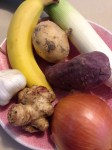
So how do we get these fibers into our diet? If we all ate the recommended amounts of fruits and vegetables per day, we would consume plenty of the good stuff that feeds our benevolent gut bacteria. Unfortunately, many of us don’t. But here’s a list of foods that you can add to your diet to increase your intake of prebiotics. Most of these foods are best consumed raw if you’d like to get the most prebiotic benefit, but if you can’t get excited about that, cook them as you will still get plenty of the good stuff. Bet you will look at them differently next time you’re grocery shopping:

  • Raw chicory root
  • Raw jerusalem artichokes
  • Raw dandelion greens
  • Raw garlic
  • Raw or cooked onions
  • Raw leek
  • Raw asparagus
  • Raw banana
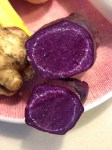
  • Raw root vegetables such as sweet potatoes and jicama

You can snack on raw Jerusalem artichokes and jicama as well as incorporate raw onions, leeks and garlic into your salads. They’re tasty, crunchy and colorful and provide for a great alternative to the usual snack stand-ins like bars, chips or a cookie. And best of all, they make sure that all that good work you do with eating plenty of good foods is actually supported by making the environment in your gut even friendlier. Go on, include more prebiotics in your diet. Come and cook with us!

IMG_6126IMG_6127IMG_6128IMG_6129IMG_6131

How About Them Blood Oranges?

IMG_5738This time of year its hard not to get excited about blood oranges. They take me straight back to my childhood, when blood oranges were a regular feature in the cold winter months. Whether Moro or Tarocco, there is something about the color of blood oranges that appeals to me. I felt a little like eating something that is forbidden. To this day, I still think they are special, as is this Upside-Down Polenta Blood Orange Cake that is easy enough to make, tastes delicious and looks absolutely fabulous. Let’s have some blood oranges this winter. Come and cook with us!

Moros are best for juicing and Tarocco the most popular to eat in Italy. Then there are Sanguinelli which hail all the way from Spain and are considered the sweetest. Unfortunately, the range of blood oranges offered in stores here in the US is often more limited, so I take what I can get. And while I eat most of my oranges peeled and raw in segments as a snack or after dinner dessert, I often integrate them into my salads or press and juice them. Generally speaking, given that most pesticides are concentrated in the peel, I buy organic and wash them well if I am including the peel in my recipe.

As you know, I don’t often bake and almost never not gluten-free, but I’ve come across so many versions of this recipe lately that I just had to give it a try. This particular concoction is inspired by one from Bon Appétit, which is probably my favorite food magazine with a knack for matching delicious recipes with great pictures and witty social media postings. The cake itself is easy to make and fun to assemble. Who doesn’t like the thrill of an upside-down cake?

If you like the sound of any of this, hurry, as blood oranges are only in season from November through the end of February. Come and cook with us!

Upside-Down Polenta Blood Orange Cake

IMG_5708

Show Your Love with Strawberries

IMG_5664In case you missed it, Valentine’s day is upon us. Sure, there are lovely cards, fragrant roses and red knickers but what better way to celebrate your loved ones than with a platter of chocolate covered strawberries. They are what I call big-bang-for-the-buck desserts as they are easily prepared and go a long way in making a big impression. So come on, show your love with some Chocolate Covered Strawberries this Valentine’s. Come and cook with us!

First off, let me say that buying strawberries in February isn’t exactly intuitive unless you live in California where they seem to be growing year-round. And if at all possible, I buy the organic versions as per EWG’s Dirty Dozen Shopping list. My loved ones are partial to dark chocolate, but you can also do milk chocolate if that is what you and yours prefer.

The recipe itself is very easy and done in three simple stages: wash and let strawberries dry, heat chocolate and dip strawberries, let cool and decorate. That’s not too complicated, is it? There is only one thing you have to be careful about: make sure that no water droplets mix in with the melting chocolate or it will seize and change the consistency of your chocolate cover. Still yummy, but more like a ganache than a hard shell. And if you run out of strawberries, take some firm blueberries and dip them, too, for a fun little diversion from the more classic Valentine’s treat.

Take a look at the pictures below. They pretty much explain the whole process. Hope you feel inspired to shower your loved ones with a selection of chocolate covered strawberries this Valentine’s. Be loved! Come and cook with us!

Chocolate Covered Strawberries

IMG_5628IMG_5629IMG_5630IMG_5648IMG_5656IMG_5660IMG_5677


Walking Taco at Super Bowl 50

Unknown-1One of the joys of living in different parts of the world is getting to know local culinary tastes. My first lesson in American food preferences came when Doug, my then boyfriend and now husband, and I attended my first Super Bowl party. Well versed in what Italians like to eat while mingling at a social gathering, I confidently prepared a tray of bruschette while Doug surprised me with his own contribution to the party: a Walking Taco. Needless to say, he nailed it. Come and cook with us!

There are classic party foods and a Walking Taco clearly belongs to this category, particularly when consumed while watching good football and amazing commercials. Doug’s recipe hails from his gregarious and brilliant college pole-vaulting friend Steve Bridges from Goldthwaite, TX. Easy enough to prepare, it combines the different textures and flavors of a taco in a layered format. It can be made as spicy as your guests and fellow party goers can stand. Think beans, guacamole, sour cream, fresh salsa, and shredded cheese in layers with plenty of tortilla chips to use as handy scoops.

Fact of the matter is that I left that party with a tray of what had become soggy bruschette feeling sorry for my prosciutto sandwiches while Doug’s taco dish was practically licked clean. Oh well, lesson learned. So if you invite us to your Super Bowl party, don’t expect some foreign delicacies. I will be showing up with a Walking Taco. Come and cook with us!

Walking Taco

IMG_5676