Fat Chance Row

1402967604478Have you heard about the couple that is rowing from the West Coast to Hawaii just so we do something about sugar? When realizing the effects that sugar and simple carbohydrates have on our bodies, most of us would limit our reaction to changing our diet, educating our friends and family or, if we are very driven, writing a blog post about it. That is not what Meredith Loring and Sami Inkinen are doing. They decided to raise awareness by rowing from the West Coast to Hawaii. Come and cook with us!

When Simi learned that despite his athletic lifestyle and “healthy” low-fat diet, he was pre-diabetic, he was surprised to find out how much sugar and simple carbohydrates he really consumed. After a steep learning curve on the subject – he is an engineer and successful Bay Area entrepreneur, after all – he decided to do something about it: change his diet, but also try to educate others on the pitfalls of the Western diet. And it is no easy feat, as the sugar and simple or “stripped” carbs temptation lurks everywhere with up to 80% of processed foods you buy at the super market contain added sugar: cereal, bread, salad dressings, ketchup, pasta sauce, cold cut meats and all those energy bars you eat after working out.
The couple is rowing with all donations going to Dr. Lustig‘s efforts to act on sugar and processed foods. Follow their rowing journey and think about the passion that led these two individuals to spend two months on high sea just so that we do something about sugar! Check out www.fatchancerow.com to learn more. Come and cook with us!


A Calorie is a Calorie, right? Wrong!

a0e7611ca7e111e289de22000a9f1406_6School’s out and we’re all ready for a nice long summer break. Before we recline the chairs, grab an Aperol spritz  and celebrate the long warm days with easy, feel-good recipes from our summery adventures, we want to leave you with one thought about nutrition and weight loss. No, not the perfect bikini kind but, instead, the one about how not all calories are created equal and why this matters to us. Come and cook with us!

The age-old mantra has always been: eat less and exercise more. Increasingly, research has shown that this simply doesn’t work, at least not for the majority of us. It’s generally not sustainable to purely rely on will-power to lose weight. In the long run, it’s important to realize that our weight is part of our biological functions and like hormones, what we eat influences our bodies more than how much we eat.

Without writing a scientific paper, I leave that to Dr. David Ludwig, director of the New Balance Foundation Obesity Prevention center at Boston Children’s Hospital, let’s just say that our digestion, brain and metabolism are all linked primarily by the hormone insulin. It spikes whenever we eat lots of refined carbohydrates like sugar and processed grains without the necessary fiber to slow down absorption. This triggers our fat cells to soak up and store calories – but there are not enough calories to provide the energy that our bodies need. The brain recognizes this through increased leptin levels and, in turn, triggers a hunger response that also slows our metabolism. That’s when we want more food.

“If you just try to eat less and exercise more, most people will lose that battle. Metabolism wins,” says Ludwig. “Simply looking at calories is misguided at best and potentially harmful because it disregards how those calories are affecting our hormones and metabolism—and ultimately our ability to stick to a diet.”

Honestly, your best bet is to use some of Dr. Oz’s magical weight-loss supplements. Oh wait, turns out they’re all a scam… Come and eat real food with us!


Beans, the Glorious Fruit…

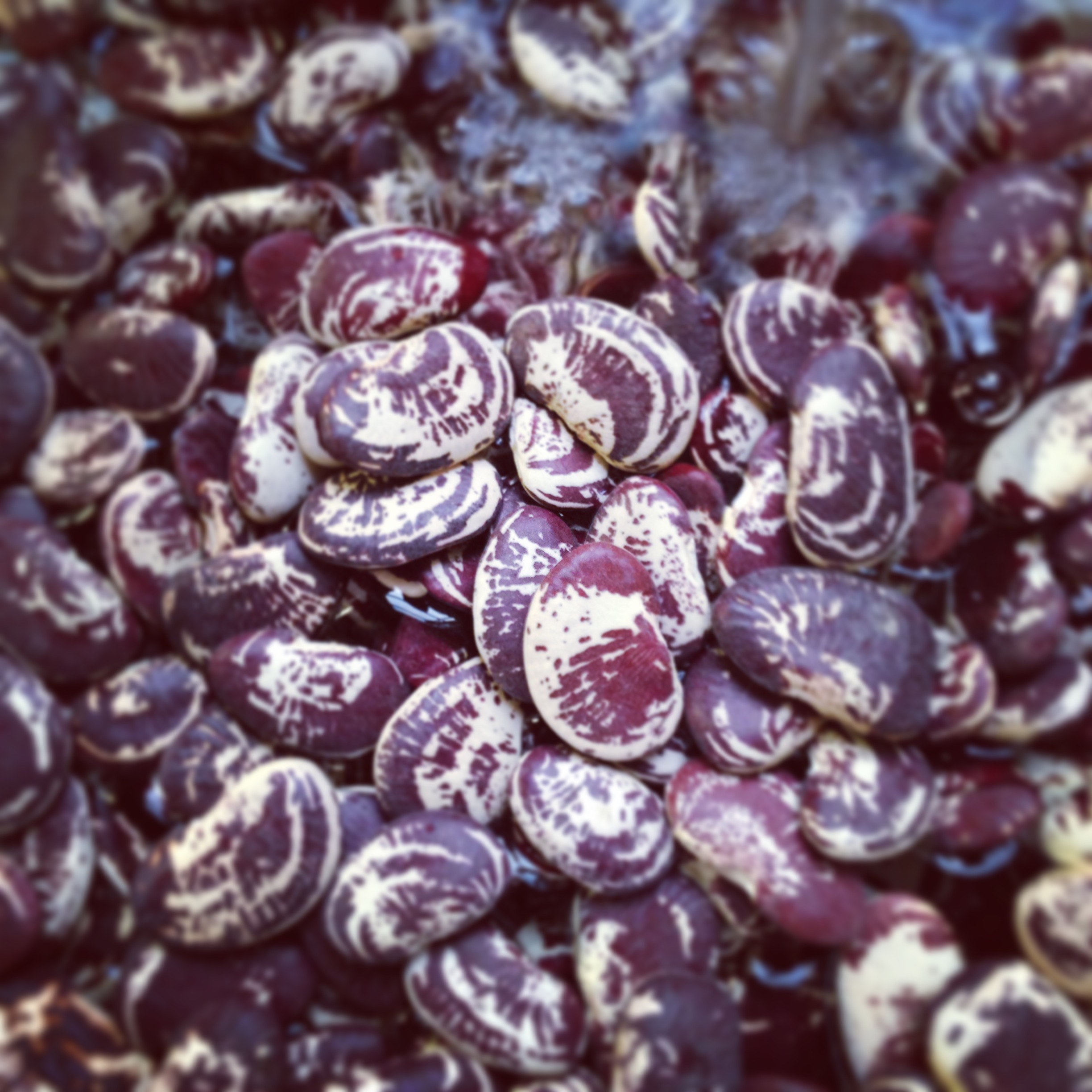
photo 5The sun is up, the air is hot and summer is here. Beans are probably not on your mind, but they should. Clearly, don’t think soup in these temperatures, but salad instead. The options are as manifold as the vegetables you find in your garden, farmers market or CSA box. Whether azuki, black-eyed susans, great northern or simply black, a bean salad can be as flavorful and delicious as you want it to be. Come and cook with us! Continue reading “Beans, the Glorious Fruit…”

One Fish, Two Fish, Red Fish, Blue Fish

photo 4Isn’t it great when what you like to do, turns out be good for you, too? That is the case with my dad’s love for fishing. We grew up fishing for wild trout and char in the pristine mountainous streams around my home in the Dolomites. It was a great father-daughter bonding experience, instilled in me a love for eating fresh fish but also thought me the importance of clean water-ways. It didn’t take long for my father to expand his fishing horizons and, when given the opportunity to go to Alaska and fish for real salmon, he jumped on it and is still going on a regular pilgrimage to the untouched rivers, lakes and estuaries of Alaska bringing home his share of fresh, healthy, and super tasty salmon. Maybe that is the fountain of youth for my parents! Come and cook some fish with us! Continue reading “One Fish, Two Fish, Red Fish, Blue Fish”

Coco for Coconuts!

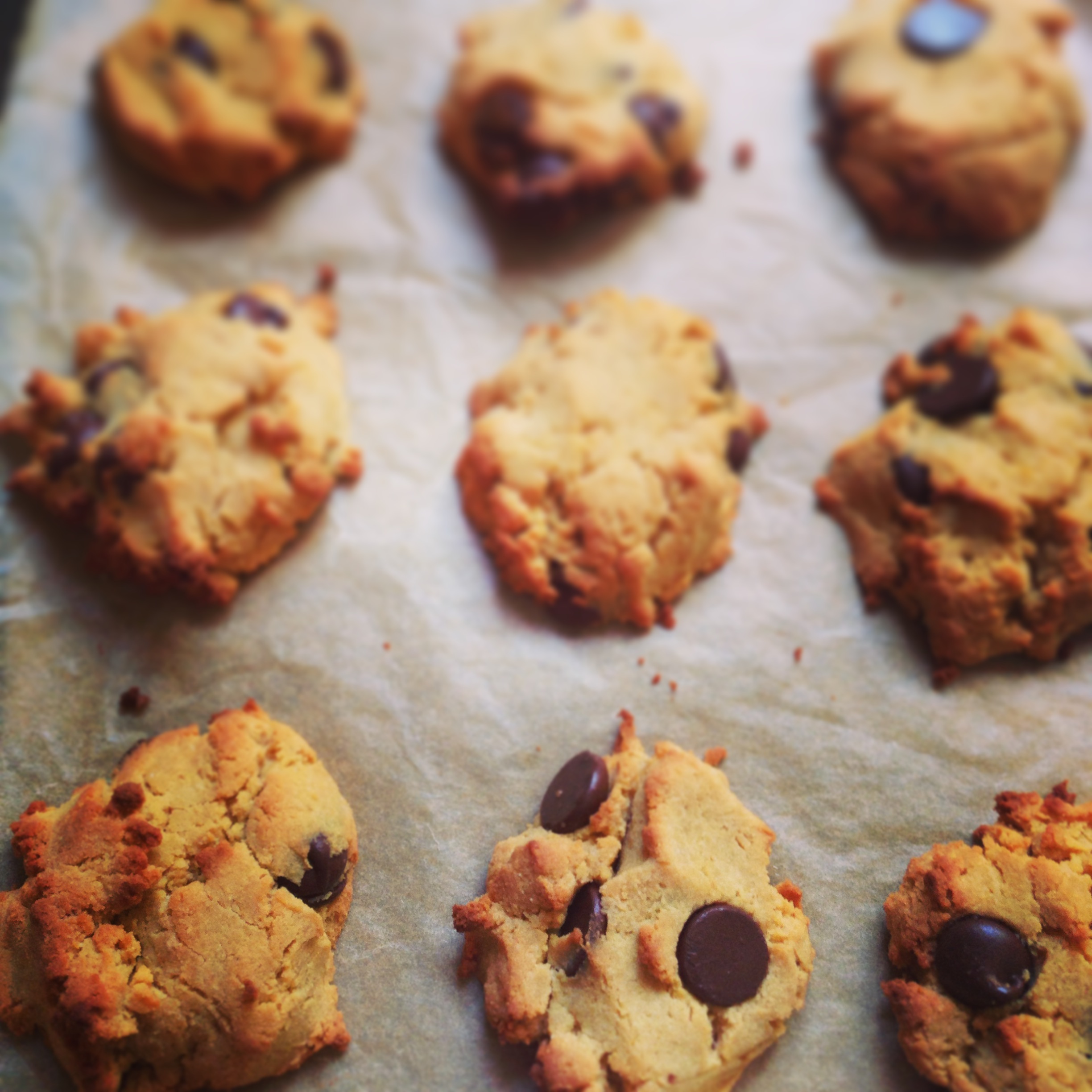
photo 16Now that fats are en vogue again, let’s take a closer look at coconut oil which has been trending in recipe books, cooking shows and blog postings. But not all coconut oil is created equal. We like unrefined, non-hydrogenated and organic – all good indications that you will get the maximum health benefit from adding coconut oil to your diet. Even better, we’ll share a coconut-based cookie recipe that has been all the rage in our house. Come and cook with us!

The way the coconut is processed has a lot to do with the benefit of the final product, so search for unrefined (or virgin) oil, which means that it is minimally processed and comes form fresh coconut. Additionally, any indication that the oil has been (partially) hydrogenated is a sign that the oil has been increasingly processed to make it less likely to spoil. Hydrogenation turns the coconut oil into a trans-fat, and we all know to avoid those. With the increasing demand on coconut oil, the use of synthetic chemicals in the production has also increased, which is why I choose the organic version.

Though technically a saturated fat – it remains solid at room temperature – coconut oil in moderation is very good for you. The right kind contains about 50-60% lauric acid, which boosts your immunity and has antiviral, antibacterical and antifungal properties. It’s these medium chain fatty acids that can also be found in breast-milk and are said to be so good for you.

So what to do with all this goodness? I’ve used coconut oil to cook with high heat – it’s said to be the most stable for high-heat cooking – although you have to like the flavor of unrefined coconut oil. My kids’ favorite way to use coconut oil is to bake cookies. They are based on coconut flour, are easy to make and, let’s face it, how often do I tell you to go and bake cookies! Go and bake! Come and cook with us!

Coconut Fluor Chocolate Chip Cookies

Continue reading “Coco for Coconuts!”