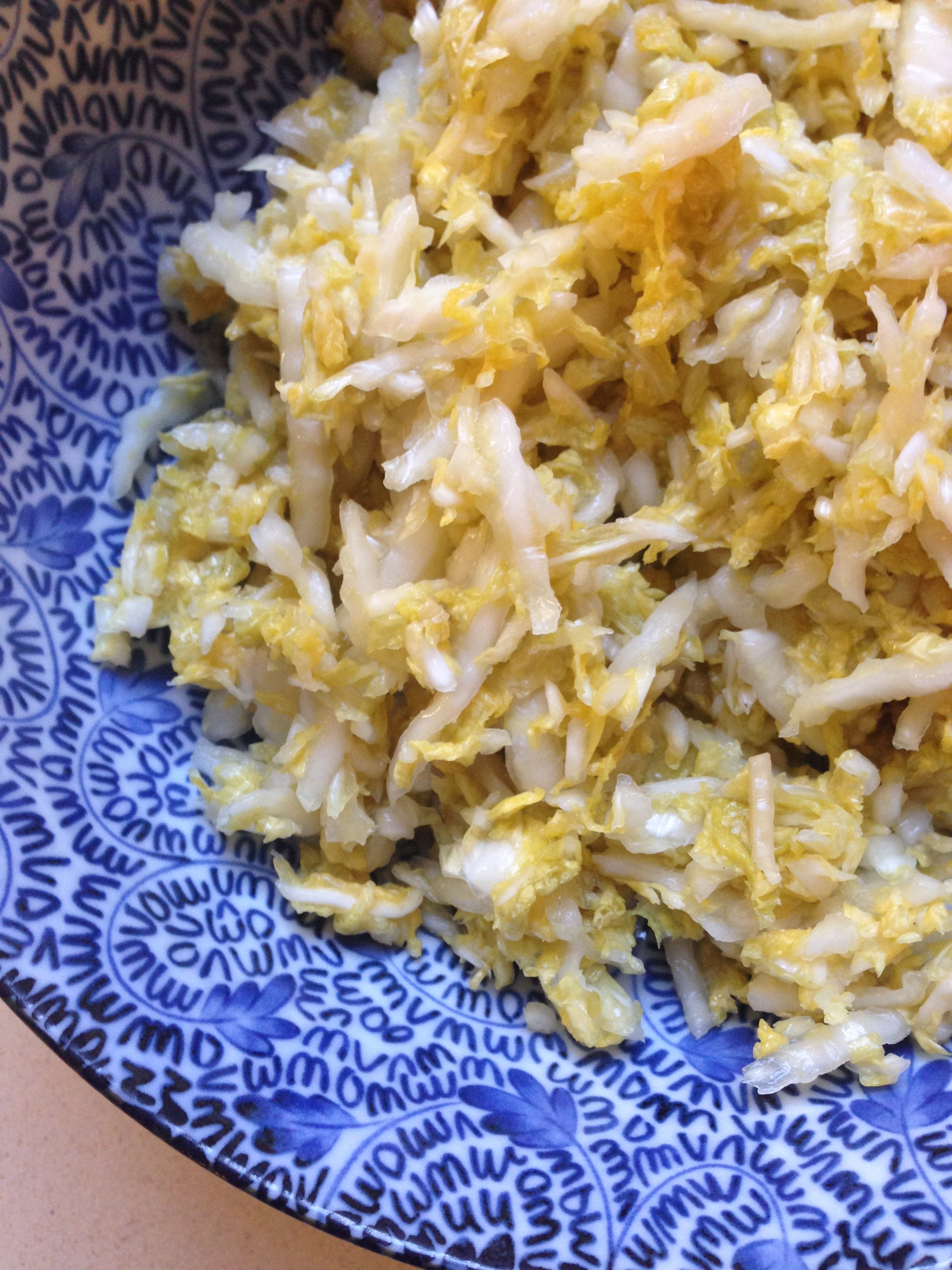
 There are certain foods that come and go, others have been around for a long time and are here to stay. Or at least, they should be. Be honest, how often have we heard that including fermented foods like yogurt, miso, kefir, kimchi and sauerkraut are nutritious and have healing powers benefiting our overall health? Well, it’s time to step up the game by learning how to make simple sauerkraut. While some readers might be well versed in the art of fermentation – such as my parents – we invite others to dip their tow into fermented foods by following this simple recipe of sauerkraut. Come and cook with us! Continue reading “My Cabbage is Alive: How to Make Sauerkraut”
Category: Guiding Principles
The good lessons we have learned along the way
These are Gutsy Times

Did you know that we have 10 times more single-celled bacteria floating around in us than human cells? And the majority of these bugs are located in the gut, specifically the large intestine. Given their multitude and enticing new research, let’s spend this week learning more about gut flora and how a healthy balance of microbes is closely linked to our digestion, our immune system and our brain function. While scientists are still in the early stages of exploring our gut microbiome, one thing is clear: never before have we known just how much we are what we eat. Come and learn more about your gut with us!
So far scientists have discovered more about the different species of bacteria we house than what role each strain plays on our health. What we know is that our gut is home to trillions of microbes and we feed them with what we eat. Some of the good critters are adept at colonizing the mucous layer of the gut thereby maintaining a tight gut barrier which helps keeping bad bacteria at bay. It is when this mucus layer is reduced that opportunistic microbes and toxins can get close to the gut lining, inciting inflammation.
This healthy gut lining also links microbes to our immune system, nudging it away from inflammatory disease and favorably calibrating it to stay away from overreaction. Independent researchers around the world have identified a select group of microbes that specializes in fermenting soluble fiber in legumes, grains, vegetables and fruits. This process creates by-products in the form of short-chain-fatty-acids called metabolites which reside in the mucus layer. From there, the metabolites exercise an anti-inflammatory effect by inducing regulatory T cells (also called Tregs) which in turn control aggressive aspects of the immune system preventing inflammatory diseases. Because these by-products are created when soluble fiber is fermented, one of the key takeaways of the research so far is to “feed your Tregs more fiber”.
The last enticing piece of research focuses on the link between gut bacteria and our brain and mental health. Both organs are connected through the vagus nerve and both manufacture the same neuro-chemicals including GABA, dopamine and serotonin. When used in the brain, all three are necessary to regulate our mood and behavior. It’s not exactly clear how the gut-made version makes it into the brain. But these neuro-chemicals also alter the stress hormones helping them to dial down. Last, but not least, a healthy gut also reduces inflammation which is now widely considered to be an underlying cause of depression.
So how do we get this favorable environment in our gut? Research has shown that a balanced diet for our healthy bacteria deep down in our digestive tracts consists most importantly of a variety of plant fiber. Ideally, more than 25 types of plants weekly – remember, we have to feed our Tregs more fiber. We also want to make sure we have plenty of good bugs, as unfriendly strains such as fungi and parasites can easily take over causing havoc in our gut – and our brains. Here are a few foods that are recommended to feed a happy gut:
- Consume plenty of soluble fiber in the form of inulin: artichokes, asparagus, broccoli, chicory, garlic, jerusalem artichokes, leeks, onions, parsnips.
- Load up on helpful bacteria by eating fermented foods: kimchi, miso, sauerkraut, tempeh and yoghurt.
- Add polyphenols which are a class of antioxidants that help reduce inflammation: apples, berries, cacao (70% dark chocolate or higher), citrus, flaxseed, green tea, herbs, red wine, spices (including ginger, rosemary and turmeric).
- Select whole grains including amaranth, buckwheat and quinoa to balance blood sugars and limit inflammation.
- Find healthy sources of protein needed along with good bacteria for the creation of those neuro-chemicals to balance the brain: beans, nuts, organic poultry, seeds, wild-caught sustainable fish such as salmon, sardines and anchovies.
- Eat the right fat considering that 60% of our brain is fat: avocados, coconut, wild-caught and sustainable fish, ghee, nuts and seeds (almonds, cashews, walnuts, chia, flax and hemp seeds), extra virgin olive oil.
This is a lot to digest, no pun intended, but it’s important to understand why certain foods are better for us than others. A great illustration of a healthy gut can be seen in “Fiber Fermenters Keep us Healthy” recently published in Nature Magazine. If you want to learn more about your own bacteria, visit uBiome, an online service that lets you sequence your own microbiome or join The American Gut Project if you want to contribute your microbiome to current research efforts.
We believe that great recipes lead us to cook more but understanding why a balanced diet helps us be healthier is hopefully a great inspiration, too. Come and cook with us!
PS: The magnificent picture of the intestine is courtesy of Giulia Enders’ German Book “Darm Mit Charme“.
Happy Anniversary!
 You didn’t really think you’d get away without reading about healthy habits to adopt in 2015? Even if we already know what’s good for us, it can still be helpful to review some of “the basics” about healthy foods. If your 2015 list is already overwhelmingly long, do me a favor and add just this one new year’s resolution: Eat more produce! Come and cook with us! Continue reading “Happy Anniversary!”
Food Scores at Your Fingertips
 There is so much to keep in mind when you are shopping for food: organic, natural, GMOs, trans-fats, low-calorie sweeteners, fat replacers, dyes and preservatives. It can be overwhelming. That is why the Environmental Working Group has developed a new comprehensive interactive online database – and free app – that get us to make “healthier, greener and cleaner food” choices. Please welcome EWG’s Food Scores: Rate Your Plate. Come and Cook with Us! Continue reading “Food Scores at Your Fingertips”
A Calorie is a Calorie, right? Wrong!
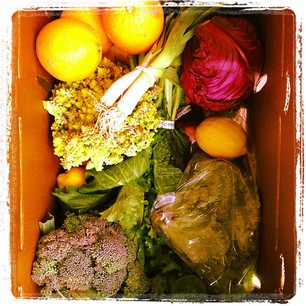 School’s out and we’re all ready for a nice long summer break. Before we recline the chairs, grab an Aperol spritz and celebrate the long warm days with easy, feel-good recipes from our summery adventures, we want to leave you with one thought about nutrition and weight loss. No, not the perfect bikini kind but, instead, the one about how not all calories are created equal and why this matters to us. Come and cook with us!
The age-old mantra has always been: eat less and exercise more. Increasingly, research has shown that this simply doesn’t work, at least not for the majority of us. It’s generally not sustainable to purely rely on will-power to lose weight. In the long run, it’s important to realize that our weight is part of our biological functions and like hormones, what we eat influences our bodies more than how much we eat.
Without writing a scientific paper, I leave that to Dr. David Ludwig, director of the New Balance Foundation Obesity Prevention center at Boston Children’s Hospital, let’s just say that our digestion, brain and metabolism are all linked primarily by the hormone insulin. It spikes whenever we eat lots of refined carbohydrates like sugar and processed grains without the necessary fiber to slow down absorption. This triggers our fat cells to soak up and store calories – but there are not enough calories to provide the energy that our bodies need. The brain recognizes this through increased leptin levels and, in turn, triggers a hunger response that also slows our metabolism. That’s when we want more food.
“If you just try to eat less and exercise more, most people will lose that battle. Metabolism wins,” says Ludwig. “Simply looking at calories is misguided at best and potentially harmful because it disregards how those calories are affecting our hormones and metabolism—and ultimately our ability to stick to a diet.”
Honestly, your best bet is to use some of Dr. Oz’s magical weight-loss supplements. Oh wait, turns out they’re all a scam… Come and eat real food with us!
 Come and Cook with Us