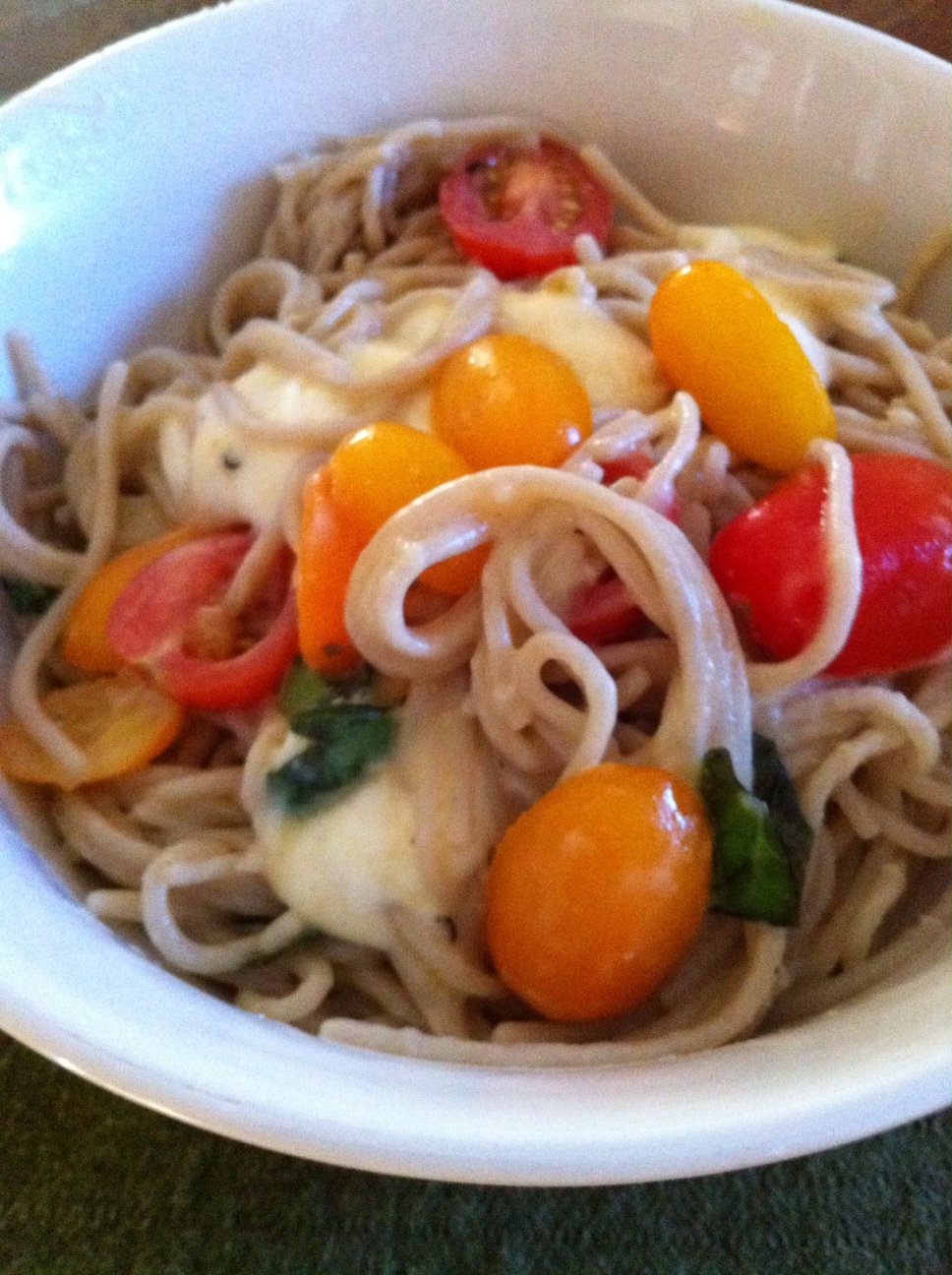
 Here in Northern California the weather has been warm. Very warm. So warm, in fact, that when it’s time to cook dinner I want to stick my head in the freezer and not come out. But, there’s only so much freezer living you can do before it’s time to eat, so we thought we would dedicate this week’s post to cooking when it’s hot. Continue reading “Hot, Hot, Hot!”
Raspberries, Anyone?
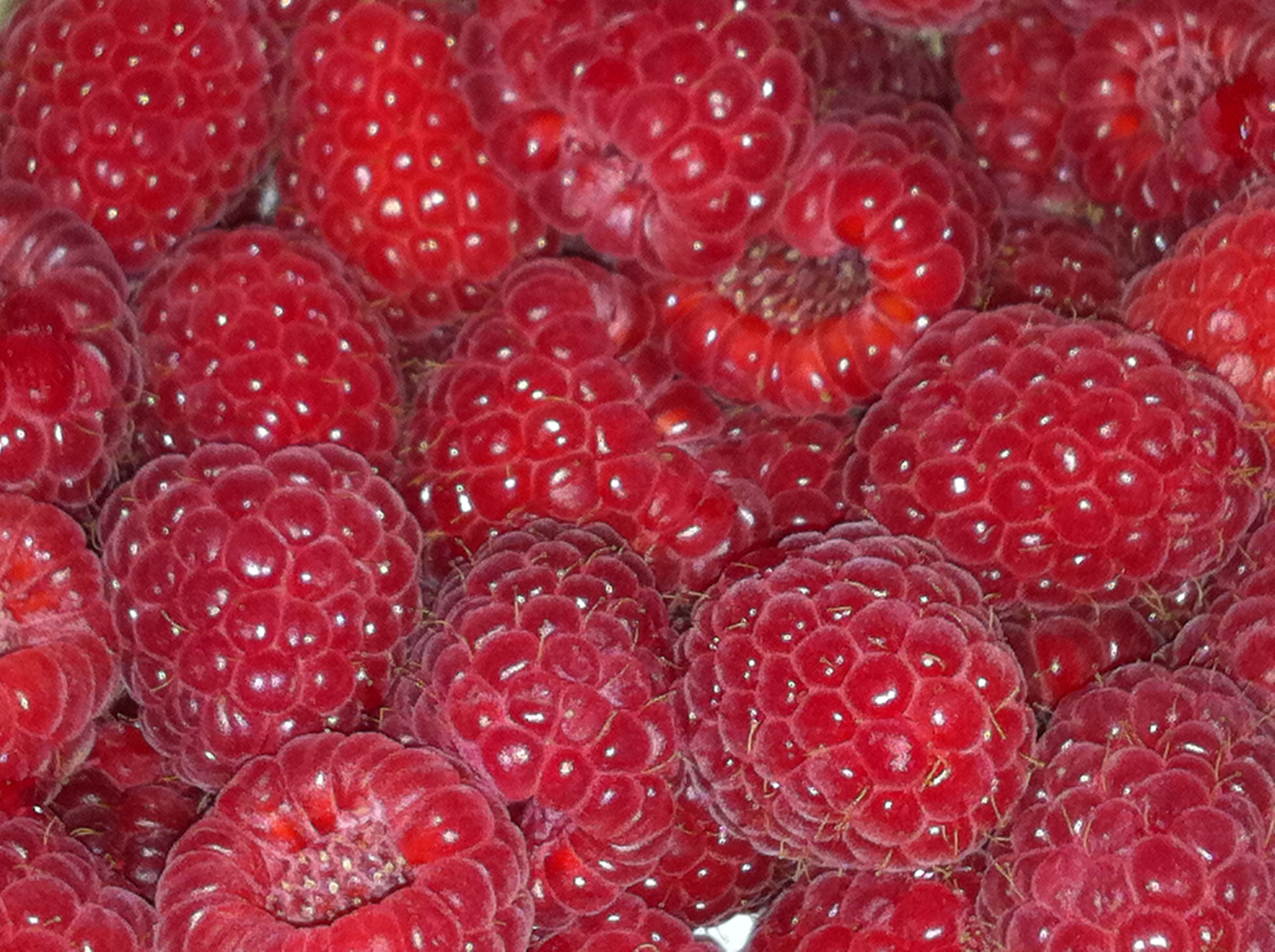 There were many food related advantages to growing up in northern Italy including a varied cuisine, with Austrian, Italian, German and French influences, lots of fresh meats and cheeses, and delicious baked goods, but one of the best things about food in Südtirol was that it was fresh. It was made in the moment, for the meal we were sitting down to eat, and this was not only cultural, but also by necessity as we did not, and still do not, have fast food establishments in our town.
Another thing is, we always had vegetable gardens and orchards growing up, which meant that every fruit or vegetable we ate was just picked, and ripe for the season, in that moment. In fact, my mom does not visit a fruit and vegetable store from May through October, growing all her tomatoes, onions, lettuce, carrots, cucumbers, cauliflower, cabbage (turned into home-made Sauerkraut), apricots, apples, figs, grapes, and plums, as well as every kind of berry that will grow at our altitude: red, white and black currants, strawberries and plenty of raspberries. So, the chief way that I have tried to transfer this northern Italian freshness to my family is through serving fresh fruits and vegetables in the height of the season. And right now, there’s no better fruit to eat than raspberries. Continue reading “Raspberries, Anyone?”
Update: 13 is the Lucky Number
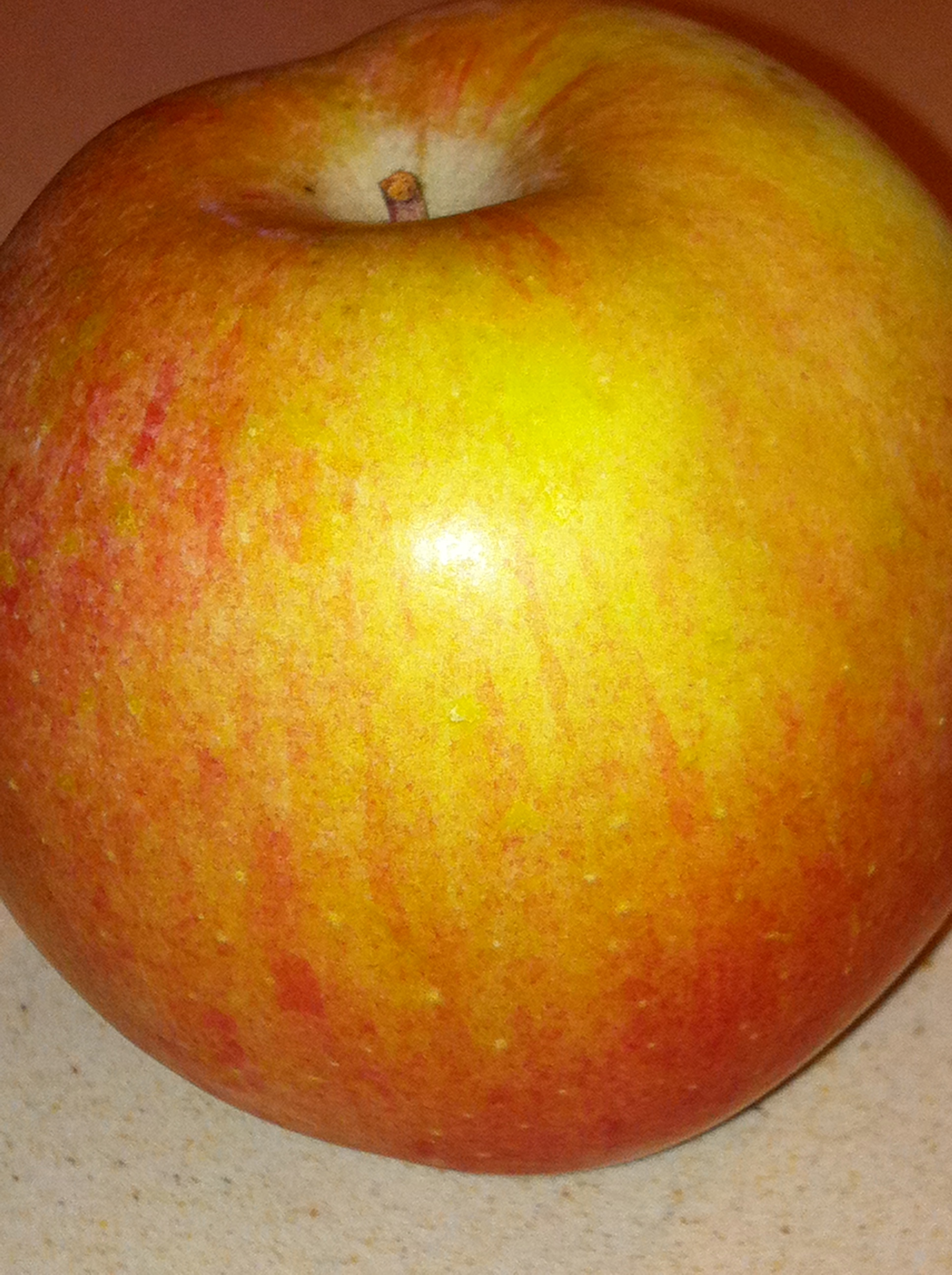 The USDA has just published a study that shows apples have the highest amount of trace pesticides. According to the Wall Street Journal, pesticide residues were found in 98 percent of the apples recently tested by the U.S. Department of Agriculture, and this is the highest rate among all produce screened in the agency’s annual survey. While in most cases, the 48 pesticides found were within federal guidelines for safe consumption, the high rating of apples on its pesticide residue list prompted the Washington-based Environmental Working Group to put conventionally-raised apples on the top of its most recent “Dirty Dozen” list, followed by celery and strawberries, also high on the USDA list for the number of samples with pesticide residues. Following the EWG’s recommendation we have added apples to our list of things worth buying organic.
We’ll be back tomorrow with our weekly post – this time on raspberries – until then wash those conventional apples well (or peel them) and buy organic when you can.
Come and cook with us!
The Ideal Plate
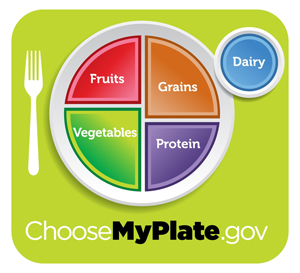 Well, it looks like the pyramids have finally taken up their rightful place in ancient Egypt where they belong, freeing the USDA to adopt a new icon for it’s dietary guidelines. The ideal plate, called “My Plate”, is split four ways (fruits, vegetables, grains and proteins), with a glass of dairy by its side, and is coupled with a very clear message to American consumers: eat less, eat more fruits and vegetables, drink more water and less sugary drinks. Continue reading “The Ideal Plate”
Organic, or not Organic, that is the Question… Or is it?
 We are constantly bombarded with messages telling us organic is better. But do we really have to buy all produce, meat, even mattresses and clothes bearing USDA 100% organic label, free of all synthetics, and purer than the driven snow? Sure, it might be better for us – and the environment – but going organic en masse can get pricey, fast. Continue reading “Organic, or not Organic, that is the Question… Or is it?”
 Come and Cook with Us