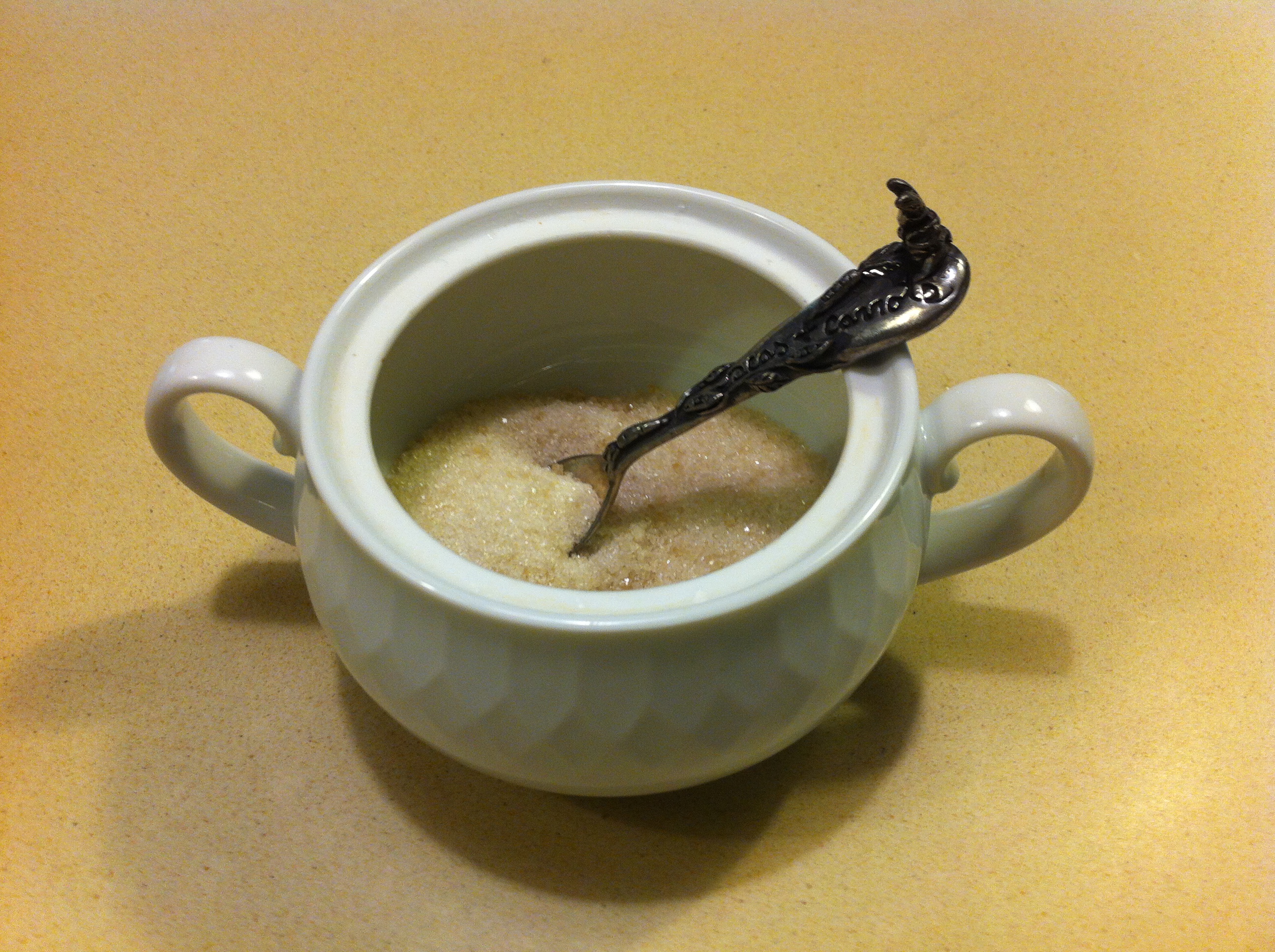
 We’ve all been there before: you (or your kids) are hungry and dinner won’t be for another few hours. You grab something quick, and “healthful”, like a blueberry muffin, a granola bar, a fruit roll-up, or even a flavored yogurt. The snack satisfies the hunger, and even feels healthy, but before you know it, you (or your kids) have consumed a decent share of your daily caloric intake through added (hidden) sugars. So, why is this bad? Continue reading “Not Too Sweet!”
Month: March 2012
Eat Early and Often!
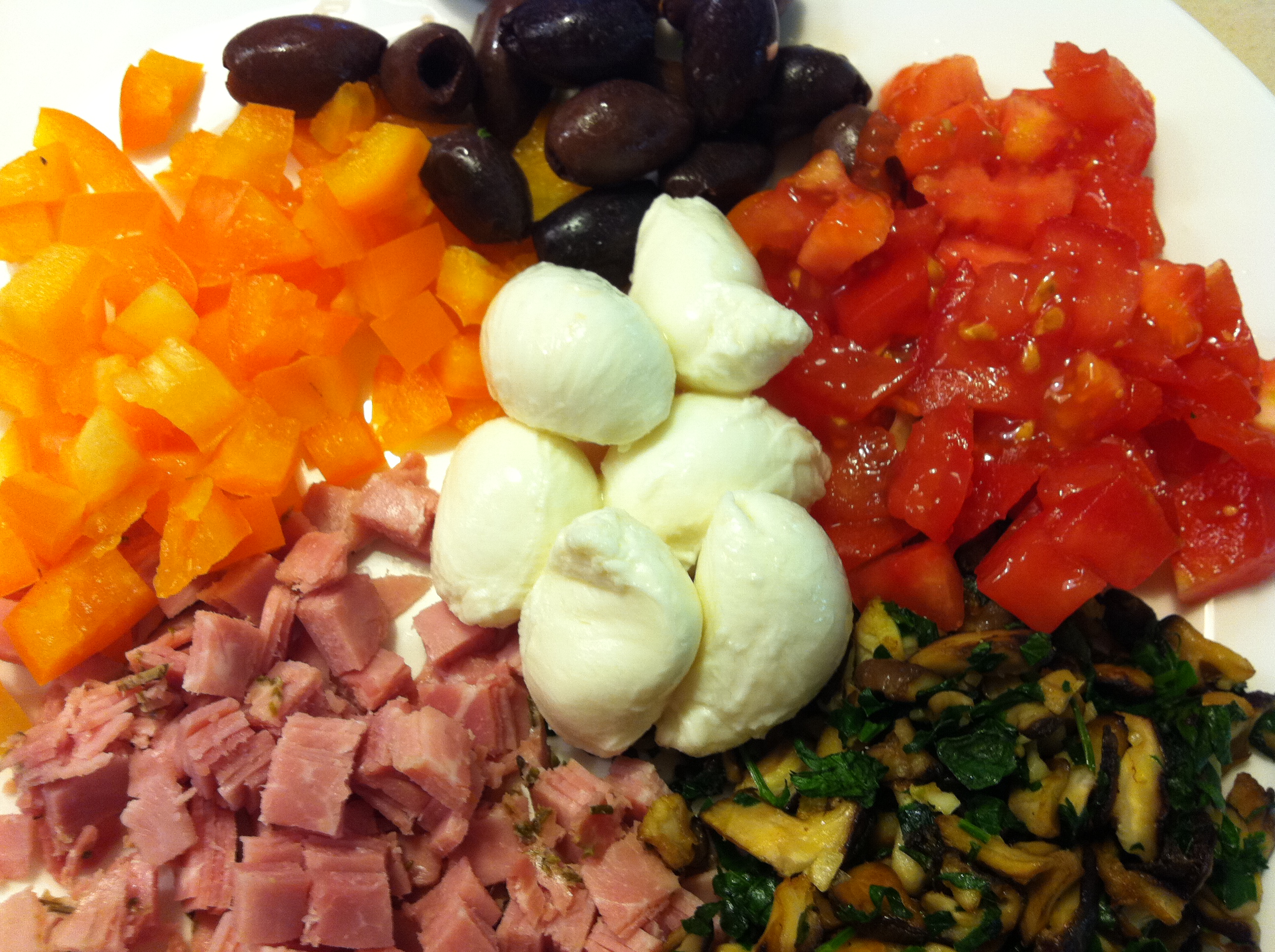 In a recent article in the New York Times entitled “Calories Are Everywhere, Yet Hard to Track” Jane Brody addresses the question of calories we consume every day. Brody’s main point is that in the US we consume too many calories. In conversation about this, however, Jessica and I struggle with what to advise readers to do. Limit your calories? Portion control? Is that really the issue? The irony of it is, here in the United States, we may be consuming too many calories in cookies, cakes and sodas but we are not consuming enough food. So rather than limit your calories, we recommend you eat as many calories as you need through whole healthy food. In this week’s post, we champions the idea of eating early and often. Make it your goal to consume three to five whole healthy filling meals a day because chances are if you’re not eating well, your hungry body will take the calories from wherever it can. Continue reading “Eat Early and Often!”
A Word from One of Our Wise Readers
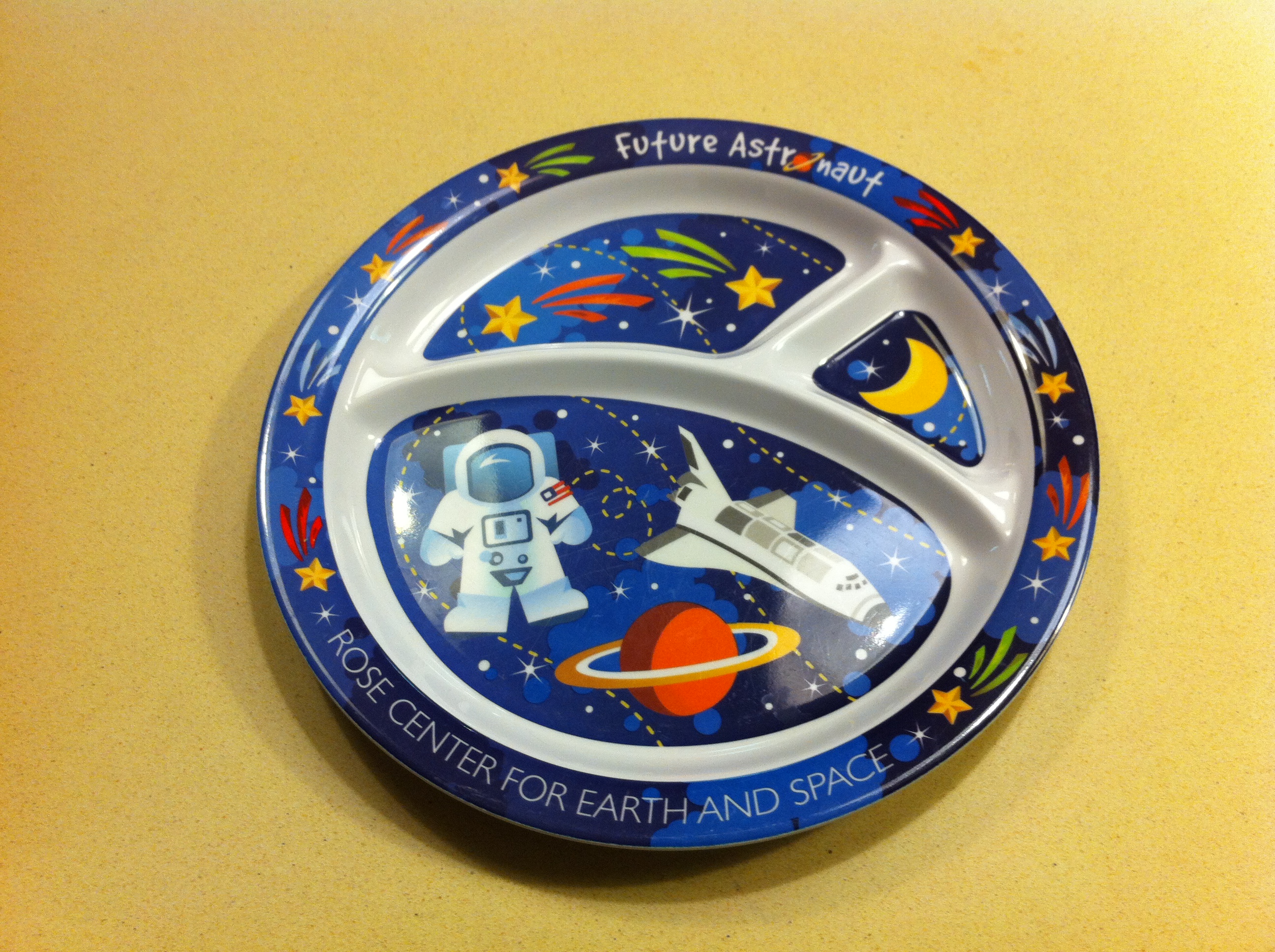 Two weeks ago, we received a comment from one of our readers in response to our post on feeding children healthily. In the post the reader, who has worked with children for the last 20 years, gave two specific recommendations for helping kids learn to love healthy food. We loved what she had to say, and her suggestions are easily implementable; scroll to the bottom of this post to see the comment. One point that hit home for us is “to make sure you are always offering a variety of foods prepared differently to offer a range of tastes, sounds, temperature, and oral motor work”. You’ve heard us say it again and again: prepare, serve and eat a rainbow; similarly, focusing on variety on how food tastes and feels is a key rule when feeding yourself and your family, no matter the age. Continue reading “A Word from One of Our Wise Readers”
Ginger All The Way
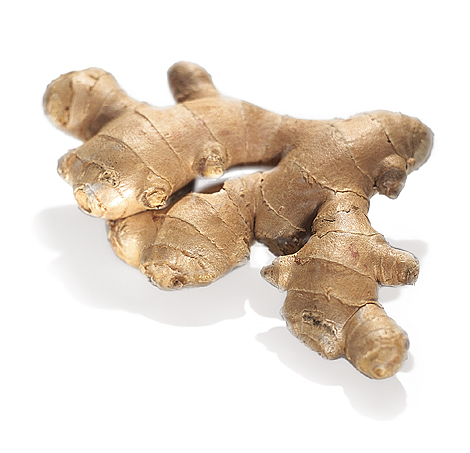 Though we’ve had unseasonably warm weather this winter, my boys have still traded their fair share of winter flus, colds and fevers. So, in order to keep myself out of the rotation (if I get sick, who is going to make the chicken soup?) I’ve infused my diet with my favorite funny looking, great tasting, and super-healthy immune boosting ingredient: ginger. While ginger is relatively new to my palate (you don’t find much ginger pasta in Northern Italy), I’ve made every effort to include it in one dish a day (or more). With only one cold to speak of (and what is winter with out one cold?), the benefits are showing. So, I wanted to share this magic root with you. Invigorate your taste buds and give your health a boost. Come and ginger with us! Continue reading “Ginger All The Way”
Children’s Healthy Eating Habits
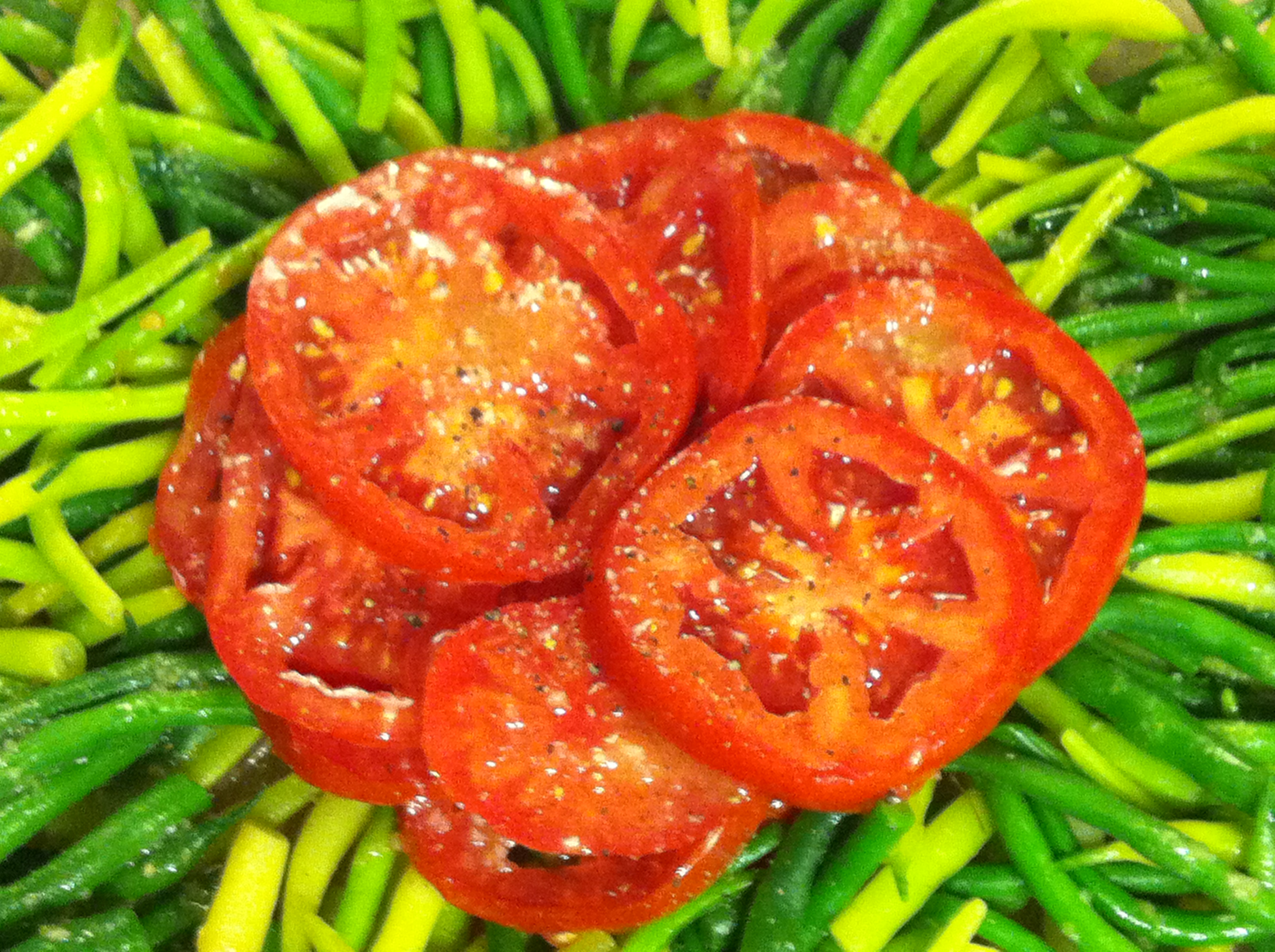 Feeding children isn’t easy; just look at the number of bunny, fishy, gummy, gooey, processed, packaged and prepared kids foods available and you’ll get a sense of just how difficult it can be. Children are opinionated from the get go, and food is one of the first places they learn to express their views – and test your limits. But a child’s intellectual capacity is far from fully developed; therefore, allowing a child to decide what to eat, when to eat, and how just isn’t feasible. So, how does a mother of two boys create meals on a daily basis that keep them excited about what’s for dinner? I asked Kathrin to let us know what she does, because her boys rarely leave anything on the plate. Here’s what she said are her top 10 ways to keep it exciting around the dinner table. Hope all, some or at least one will inspire you. Come and cook with us! Continue reading “Children’s Healthy Eating Habits”
 Come and Cook with Us